From Theory to Living History: Sude Toptas

We had the pleasure of speaking with Sude Toptas, a PhD student at Omer Halisdemir University in Niğde, about her research visit to Dzemal Bijedic University of Mostar.
Can you tell us a little about yourself and your research focus?
I am a doctoral researcher in Political Science and International Relations, focusing on strategic culture and political psychology in foreign policy analysis. My master's thesis examined how leadership psychology and historical memory shape Russia's foreign policy behavior. In my doctorate, I am increasingly focusing on how emotions, collective identity, and trauma narratives are embedded in state decision-making processes. Instead of treating foreign policy as purely rational calculation, I consider it a deeply human and historically constructed phenomenon.
What motivated you to choose Džemal Bijedić University of Mostar for your research visit?
Mostar represents much more than a city; it's a living archive of memory, coexistence, rupture, and reconstruction. For someone working on strategic cultural and political narratives, Bosnia and Herzegovina offers a unique intellectual environment where history is not abstract, but visible, spatial, and emotionally present. I chose Džemal Bijedić University in Mostar because I wanted to observe how post-conflict memory shapes political identity in daily life, not just in texts, but in lived experiences. And while I was here, I happened to be celebrating the university's 49th anniversary. Here, I witnessed firsthand the reverence for Džemal Bijedić. The right city, the right university, what more can I say...
How has your stay in Mostar contributed to your doctoral research?
Being here allowed me to see how collective trauma is preserved, narrated, and normalized within social spaces. Museums, urban divisions, and even daily conversations reveal how memory becomes political. This experience strengthened my understanding that foreign policy behavior cannot be separated from historical consciousness. Observing Bosnia’s post-war recovery has deepened my analytical sensitivity toward how states construct strategic narratives rooted in identity and past experiences.
How does the research environment here compare to your home institution?
My home institution provided a strong theoretical and methodological foundation for my research. I developed my conceptual framework there, but I chose this place to put it into practice because it was living history. Being in a post-conflict environment allowed me to observe how memory and identity operate beyond texts and theories.
Did you have the chance to explore the local culture and city life in Mostar?
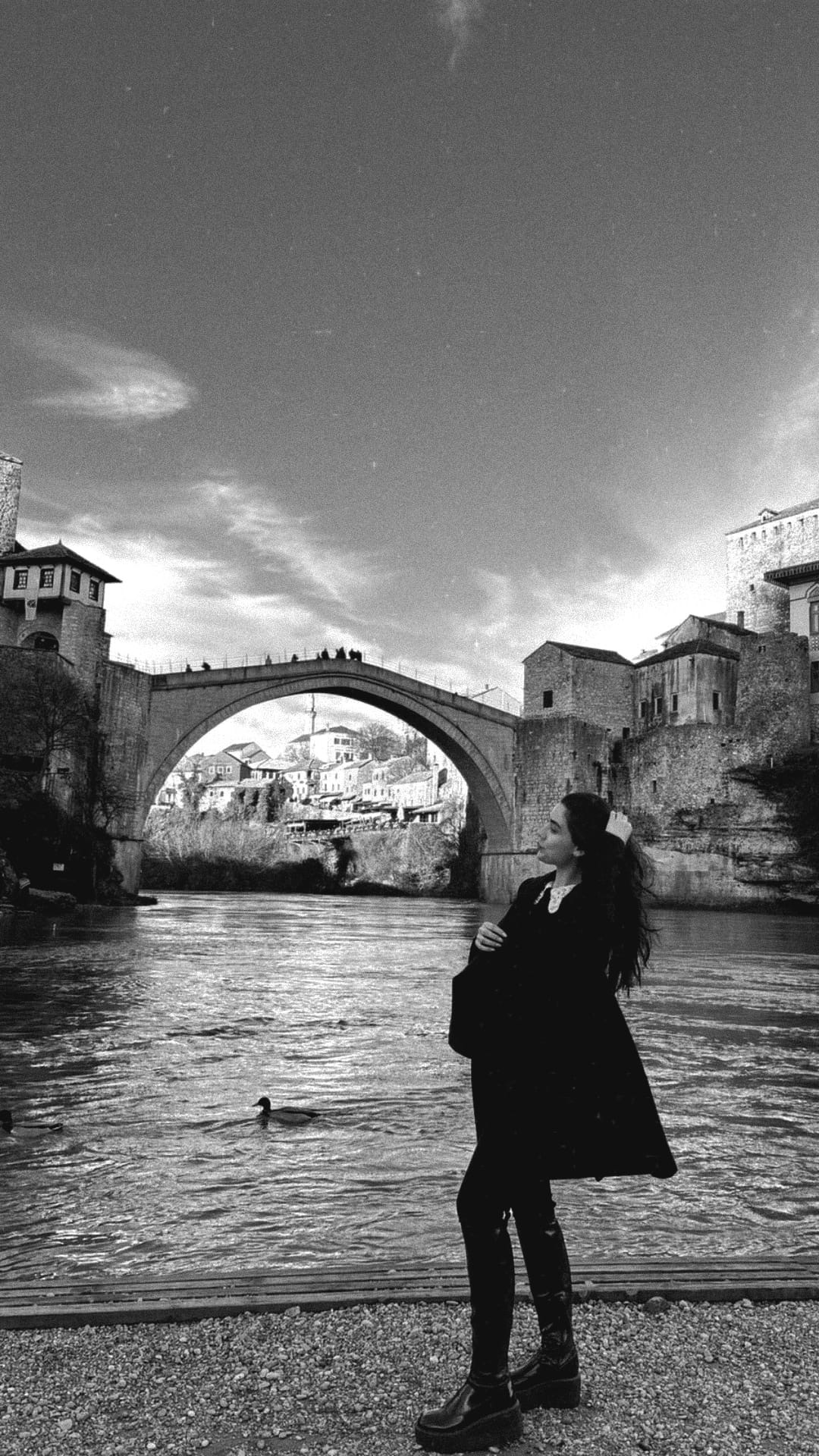
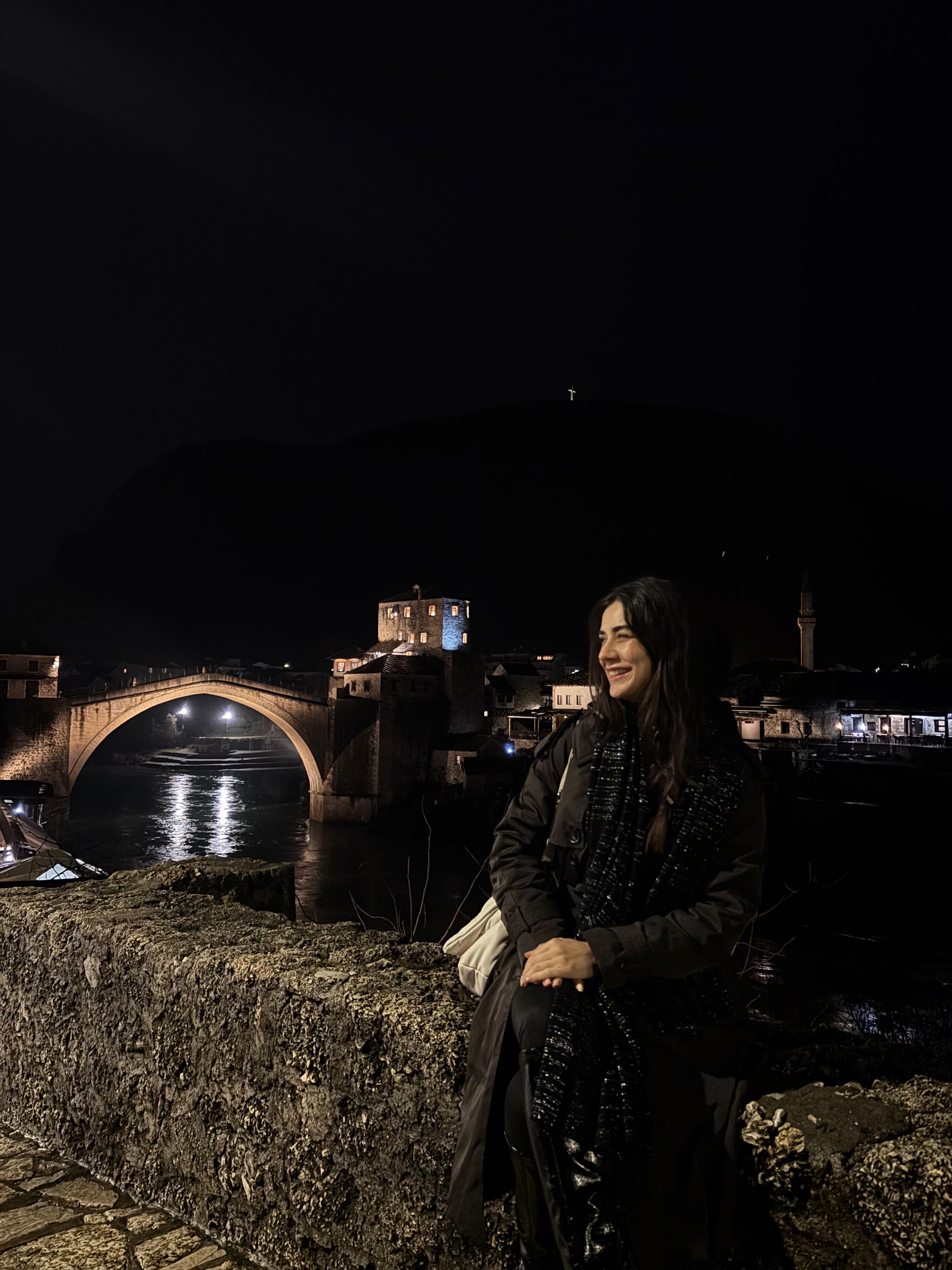
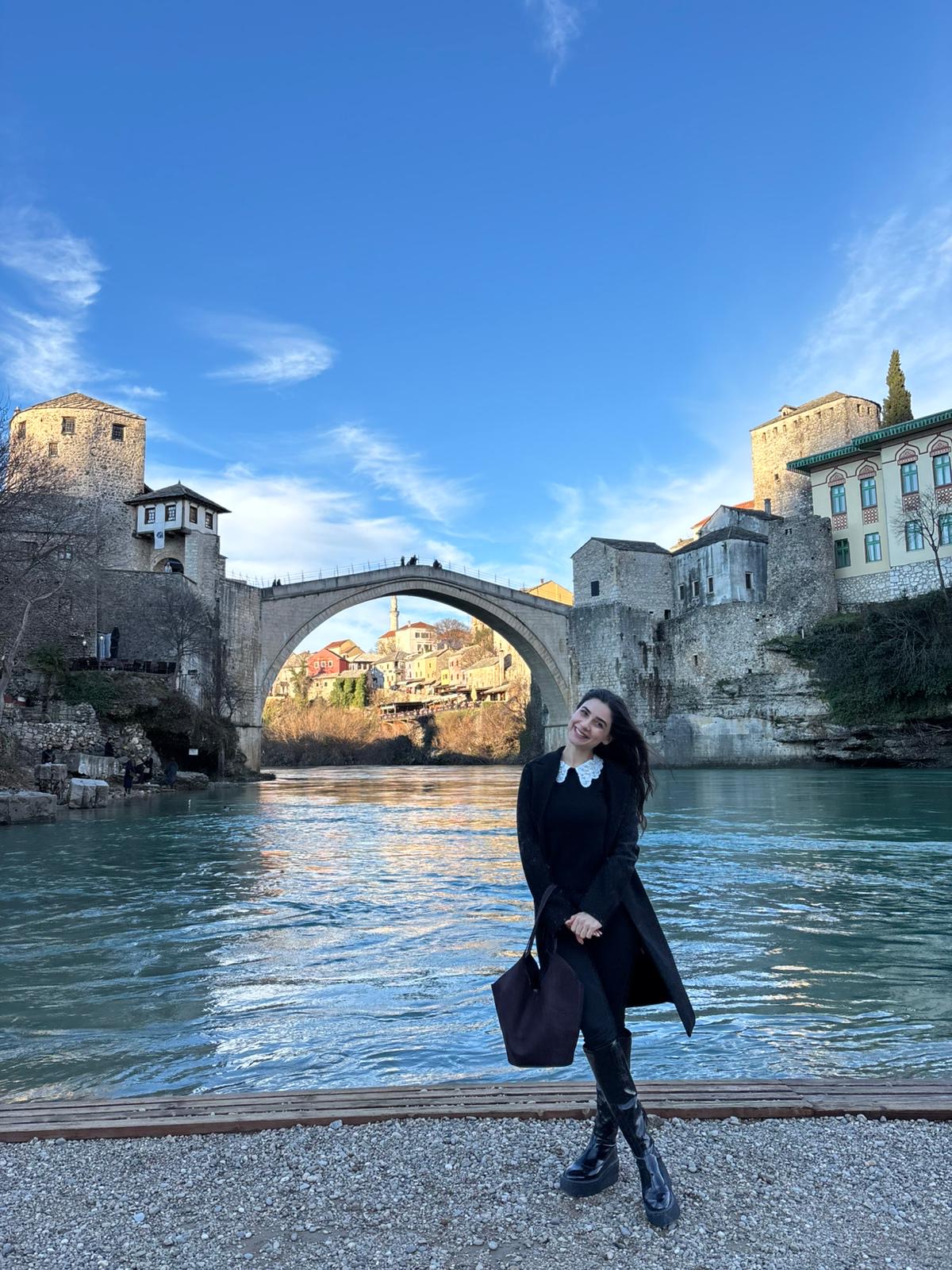
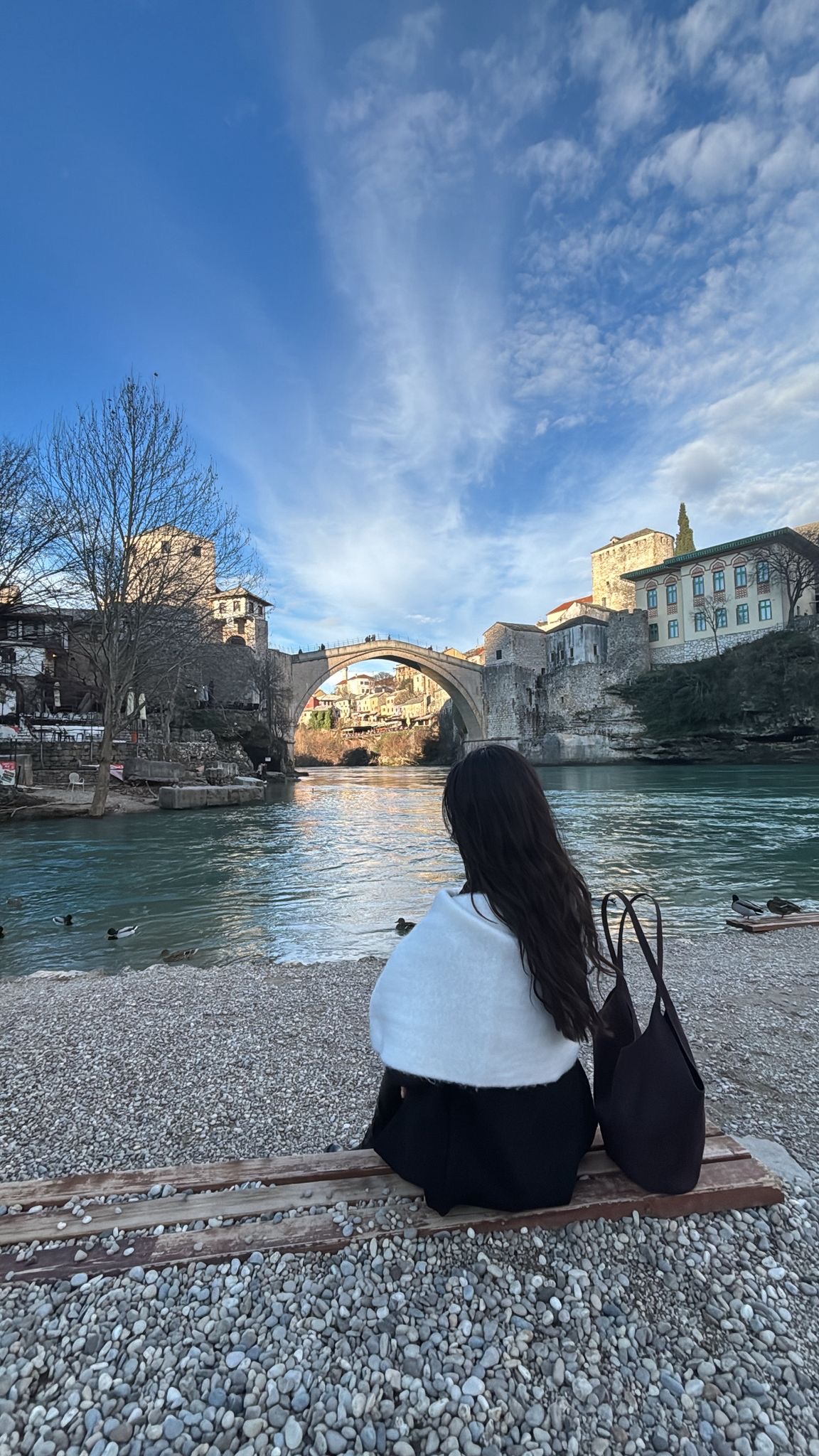
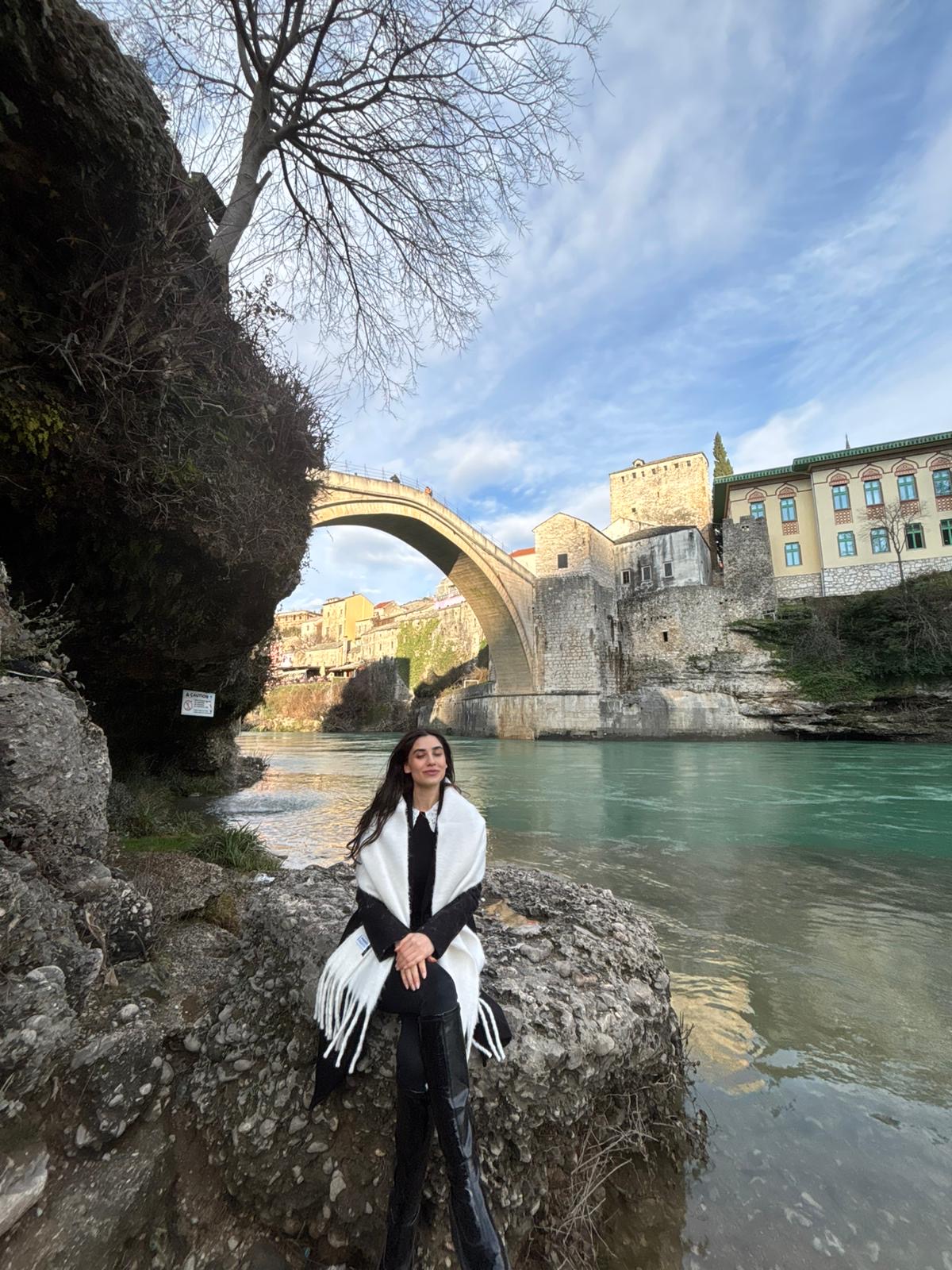
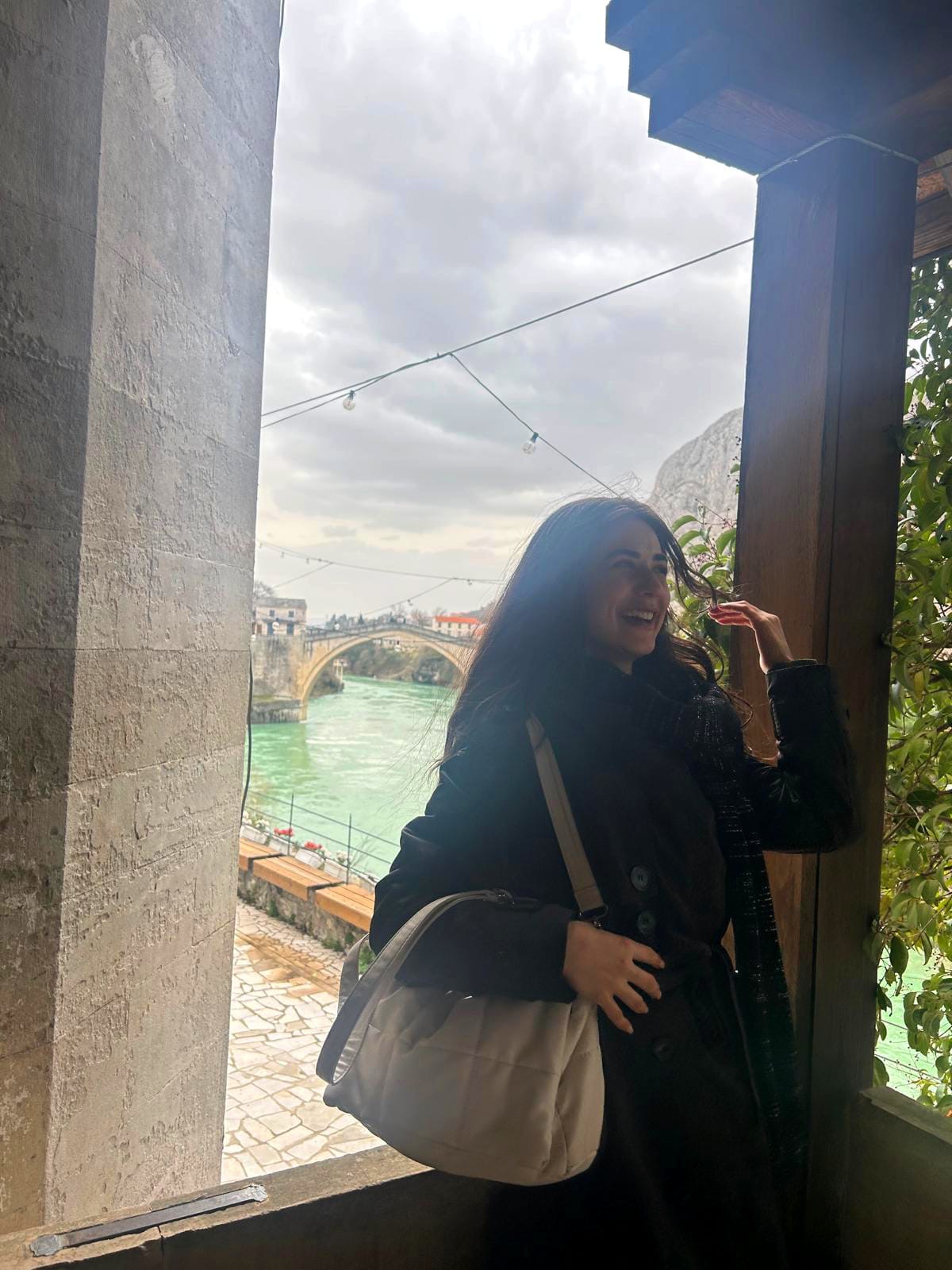
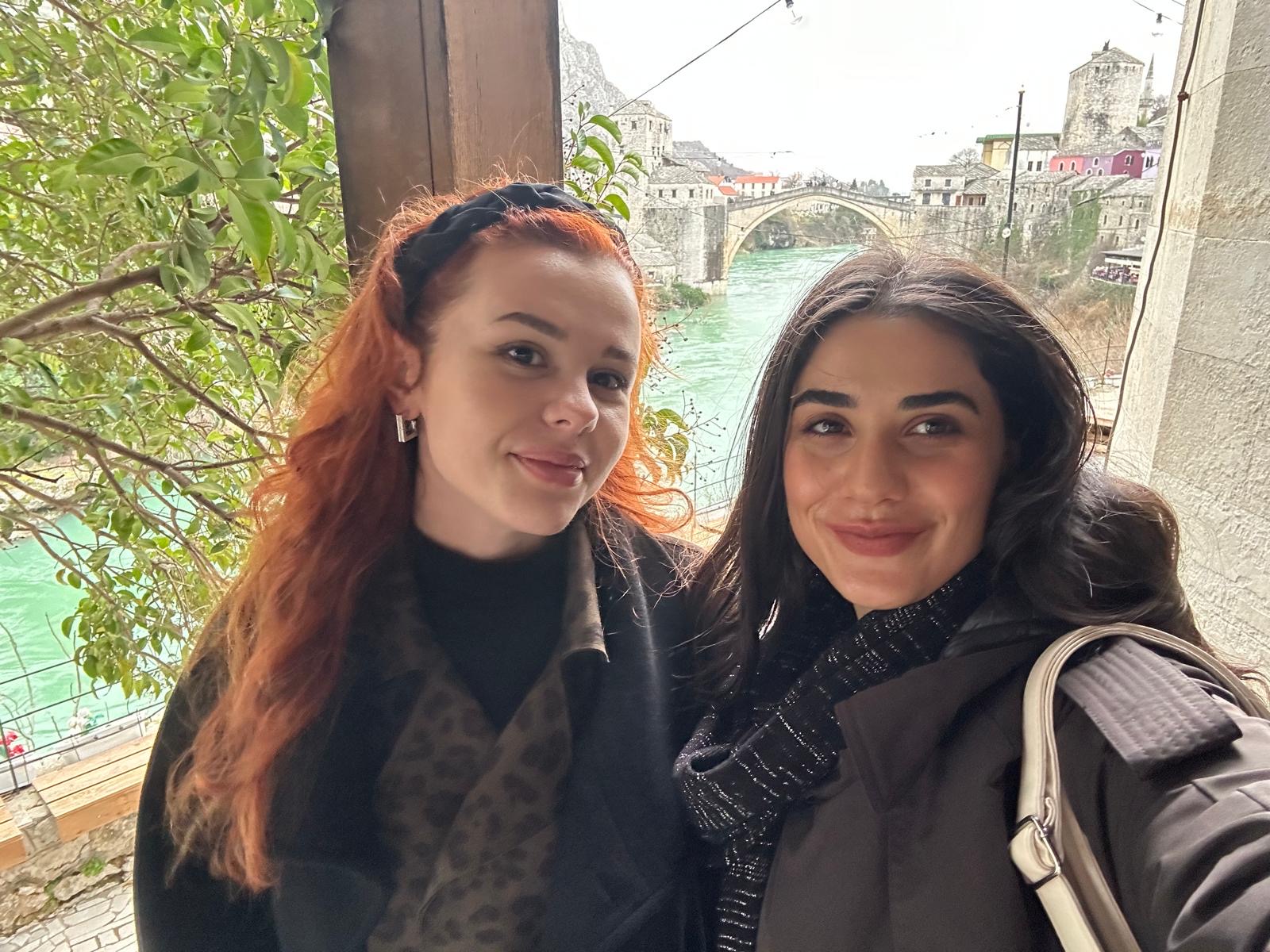
Yes, and that exploration became part of my research journey. Walking through the Old Bridge area, visiting museums dedicated to war memory, and speaking with local scholars helped me understand how cultural continuity and trauma coexist. Mostar’s layered identity -Ottoman heritage, Yugoslav past, and European aspirations- creates a complex but fascinating social fabric.
Finally, what will you most remember about your time at Džemal Bijedić University of Mostar?
I will remember the conversations. The openness of colleagues, the intellectual curiosity, and the sincerity of academic exchange. Mostar reminded me that international relations is not only about states and power, but about people, memory, and resilience. This experience will remain an important intellectual and personal milestone in my doctoral journey. And of course, I can't forget the “Stari Most”. I will never forget the walks I took there almost every day, sometimes with friends, sometimes alone. The Mostar bridge left a very deep mark on my heart. I think our shared past also had a great influence on this. Let me give you a song as a gift... Adele-Lovesong, that is, "However far away, I will always love you".
Contact
Džemal Bijedić University of Mostar
University Campus
88104, Mostar
Bosnia and Herzegovina
Phone: +387 36 570 790
eMail: international[@]unmo[.]ba

